Guides
One-Operator Coating Lines: The Combined Coat-and-Cure Advantage
A combined vacuum coating and IR drying line lets one person run the entire finishing process — from unfinished timber to stacked, dry boards ready for dispatch.
Graeme Thomas
Expert knowledge on coating technology, timber processing, and vacuum coating systems. Learn from our experience to improve your operations.
A combined vacuum coating and IR drying line lets one person run the entire finishing process — from unfinished timber to stacked, dry boards ready for dispatch.
Upfront capital cost is the most common barrier to automating your finishing line. Equipment finance makes it achievable with manageable weekly payments.
Joinery workshops face unique coating challenges: complex profiles, exterior durability requirements, and small batch runs. How vacuum coating handles all three.
Water-based coatings are better for the environment but create a drying bottleneck. IR tunnels eliminate spacer laths and overnight drying — here's how.
Spray booths and vacuum coaters both apply primer to timber profiles — but the similarities end there. Compare transfer efficiency, waste, and operating costs.
Hand priming seems cheaper until you factor in labour, waste, rework, and inconsistency. This side-by-side comparison reveals the true cost of each method.
Outsourcing cladding finishing means lost margin, long lead times, and quality you can't control. Here's the business case for bringing vacuum coating in-house.
Runs, streaks, and uneven coverage often point to worn components rather than coating problems. Three key parts to check before anything else.
Skirting boards and baseboards demand consistent, defect-free primer coverage on complex profiles. This guide explains how vacuum coating delivers production-grade results every time.
Not all primers are equal. In high-flow vacuum coating systems, the wrong primer causes foaming, clogging, and orange peel defects. Here's how to choose the right one.
Transfer efficiency measures how much coating reaches your workpiece versus how much is wasted. Understanding this metric can dramatically reduce your finishing costs.
Manual priming creates bottlenecks, wastes material, and produces inconsistent results. Discover how automated vacuum coating solves these problems at scale.
Are you struggling with drips, runs, and slow production times when priming skirting boards by hand? Manual application often leads to inconsistent results. In this guide, we explain how switching to a dedicated skirting board primer machine guarantees a flawless finish on every length and drastically increases your workshop's output.
Constantly tweaking your machine settings but still getting poor results? The problem might not be your hardware—it could be your paint. We explain why generic off-the-shelf primers cause foaming and cavitation in vacuum coaters, and why switching to a purpose-formulated primer like PP15 is the key to a consistent, flawless finish.
When your trusty vacuum coater suddenly starts producing runs, streaks, or uneven coats, it's alarming. But don't panic—it's usually a simple fix related to consumable parts. In this guide, we identify the three most common maintenance culprits that cause a sudden drop in finishing quality and show you exactly what to look for to restore your perfect finish.
Workshop floor space is valuable. Don't let bulky machinery create bottlenecks in your production flow. We explain why choosing a compact vacuum coater is a strategic decision for better workflow, safety, and easier integration when automating your priming process.
Are you still priming timber by hand? You could be overspending on labour and materials. In this breakdown, we analyze the true hidden costs of manual finishing versus the speed and transfer efficiency of a vacuum coater to help you decide if it’s time to upgrade your workshop.
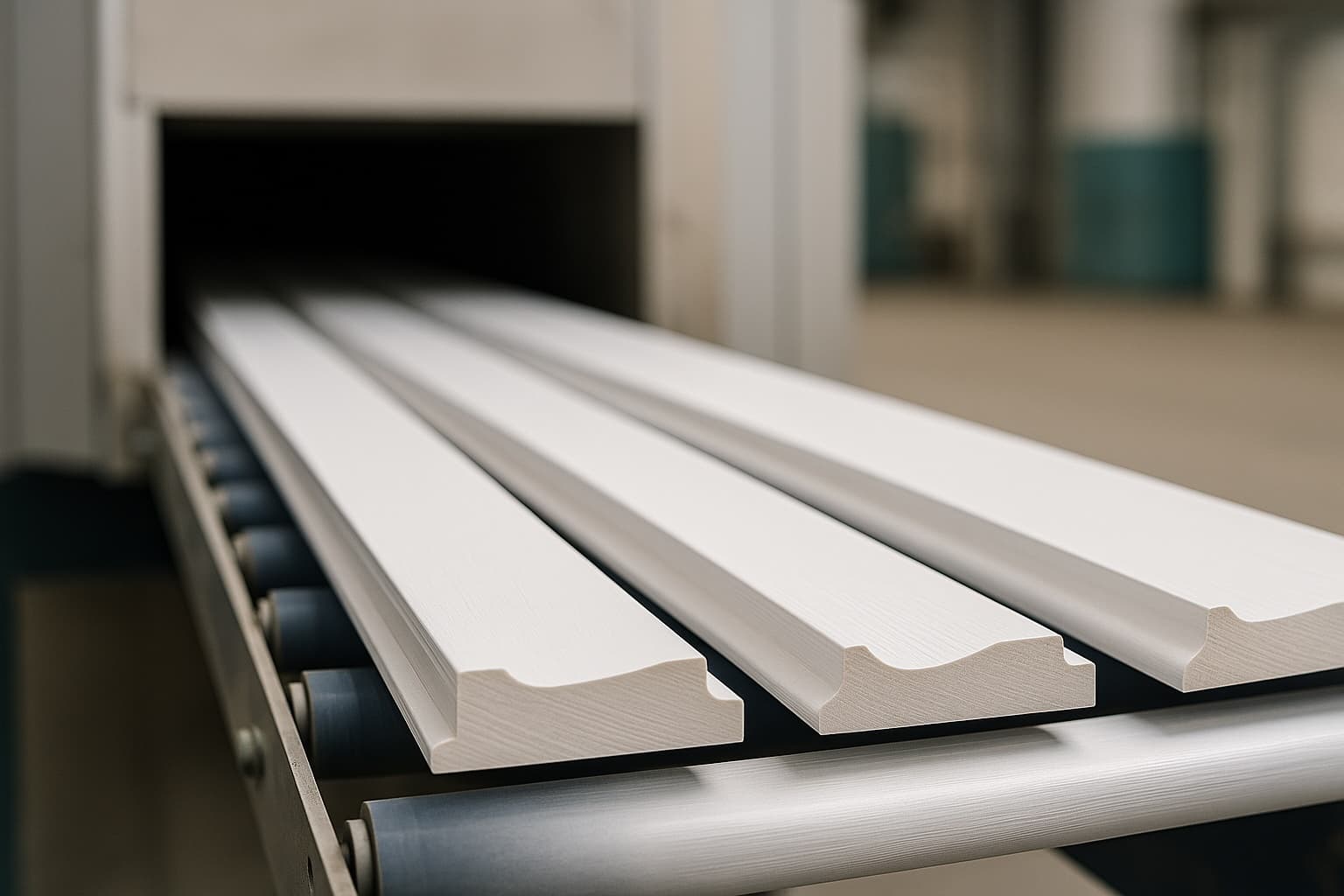
Manual priming is one of the most significant bottlenecks in timber workshops. Discover how automated priming machines can transform this crucial step from a bottleneck into a high-speed, automated process.